Okay so maybe it's not the very end for me...but this class is over. :) I'm always excited when a class is over, but then when I look back and reflect on what I've learned I always wonder if I learned everything I could have...Did I do my part in the learning process, did I ask the right questions, did I ask enough questions...and so on and so forth...I am always going to have questions and I believe a great educator will always have questions so that we never lose the desire to learn that we so hope our students want.
Language Arts is not a subject I would say is my strong suit, but it is my duty as an educator to be the best I can be at it when my students need me to be. Our textbook helped me to understand there are ways to help my students understand. It is not just about "telling" them information. It is about listening, speaking, writing, reading, viewing, and visually representing information so that they are able to better process and learn the information they need.
A few of the random things I learned about include, word walls, think alouds, shared writing, picture walks, and 3-2-1. And that's just a few of the many things we discussed in class. I probably learned more in this class than I actually remember from my language arts classes growing up. I learned the more creative I can be and the more fun my students perceive learning, the more they will learn and the more they will want to learn.
I really did enjoy this class and I hope everyone has a great rest of their summers!
Wednesday, July 20, 2016

Wednesday, July 13, 2016
Reflection of Video: 8th Grade Language Arts Lesson-Novel Study Set up
Tonight my class watched a video on youtube you can find here: https://www.youtube.com/watch?v=lIsfCmPI0cU. This video shows us how an 8th grade teacher set up her lesson intro into her class reading a novel.
What I liked about this video:
What I liked about this video:
- The teacher kept things going/moving.
- The teacher made sure her students understood by asking questions and relating things to her students.
- The teacher gave her students the opportunity to plan for themselves, she gave them the downfalls of certain choices, but ultimately left it up to them and the groups they are a part of to decide.
- The teacher utilized several different techniques through large groups, small groups, and electronics.
- The teacher showed she cared about her students. (she tells them she loves them all as she's saying goodbye!)
What I disliked about this video:
- That she's such a great teacher I should just show her videos instead of teaching myself...just kidding...
- Honestly there was not really anything to dislike. She manages to get a lot of information to her students in a very short amount of time and everyone appeared to understand.
It was very useful seeing that you can do group stations in 8th grade as well. Most of the time I think of group stations being utilized in elementary aged classes or maybe even Special Ed classes, but she utilizes them in a regular ed Language Arts class. It really goes to show that you can achieve anything you put your mind to.
Wednesday, June 29, 2016
Top 10 Books to learn about our Presidents
Here are a few examples of books on our presidents. I tend to like the books with more pictures or written more like a fiction book to peak my interest. Each one tells a story. I hope you enjoy.
 |
| This book is a national bestseller! Read on to find out why. |
 |
| Following Washington was a hard job to do, but someone had to do it! This book is a biography of our 2nd president, John Adams. |
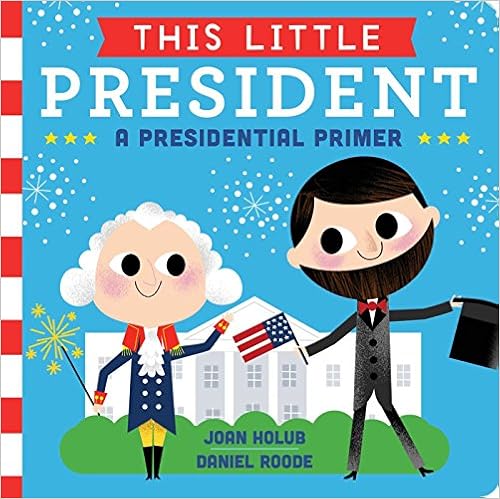 |
| A great book for some of our younger readers who love pictures! |
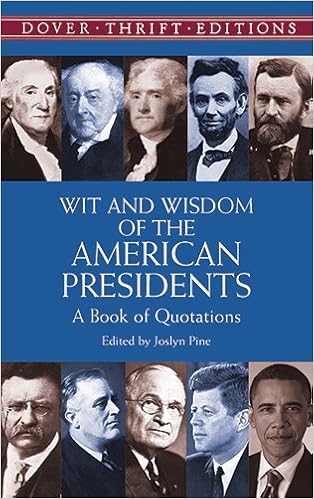 |
| Trying to remember who said what? This is a great book to remind us of those famous quotes our presidents are known for. |
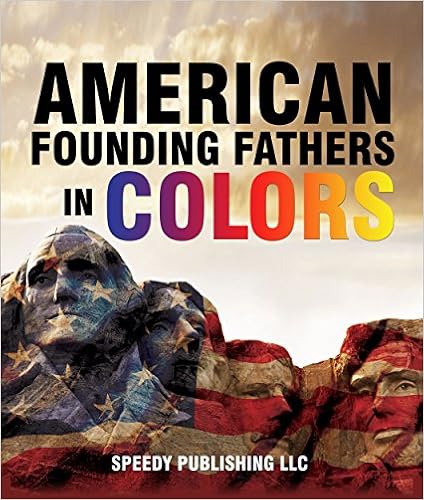 |
| A great book about our founding fathers. |
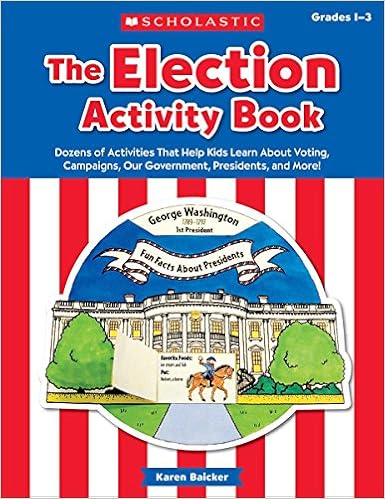 |
| This one helps kids to investigate the ins and outs of elections. Everyone will know how to vote and participate when they get old enough with this resource. |
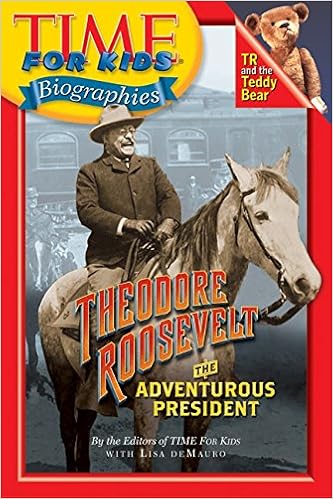 |
| The "Time for Kids" is a great magazine for kids to read and explore! They cover most of the presidents. |
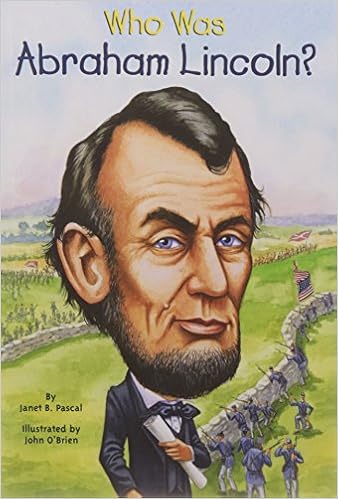 |
| The "Who Was" series are a great addition to any library. Easy to read and filled with interesting facts about each person. |
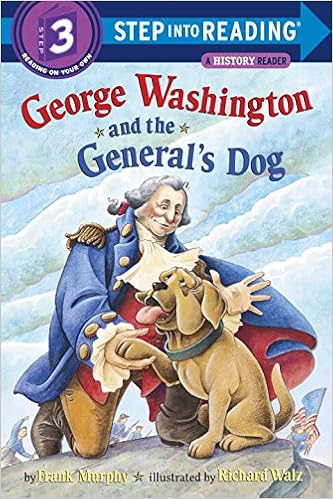 |
| Readers will love this book on George Washington! It gives a different type of story about him. |
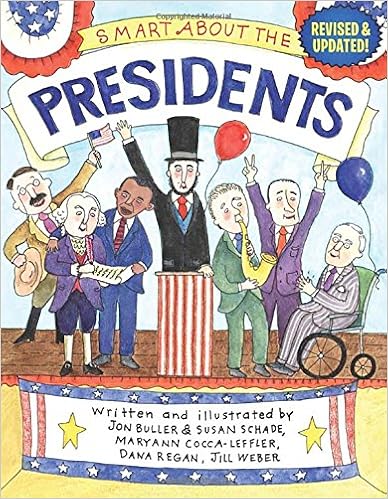 |
| This book is jam-packed with trivia, fun facts, and information on the historical events of each presidency. |
Wednesday, June 22, 2016
Making Connections--Reading strategies
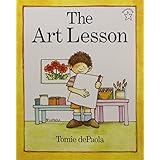 |
| This is a great book to use for text-to-self connections. Join with Tommy as he figures out how to stay "within the rules". |
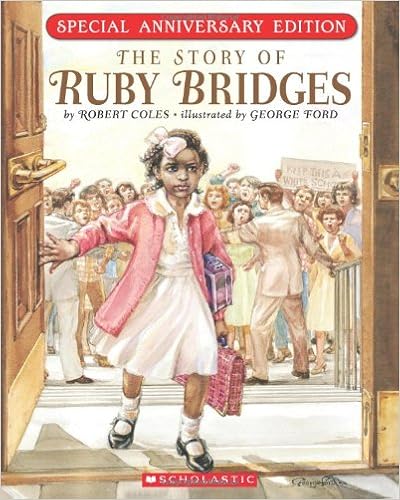 |
| A great book to make a connection using text-to-world strategy! Discover the obstacles Ruby faces and overcomes and how racism affects everyone. |
 |
| This is a great book to use for text-to-self connections. Read this book and discover how grandma turns a fear of thunder into an adventure! |
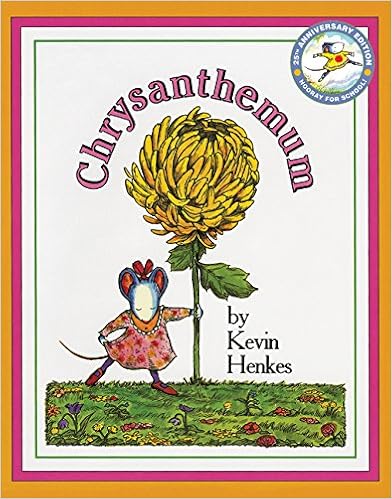 |
| This book can be used to make connections using text-to-self. A great book when trying to make a connection about teasing, self-esteem, and acceptance |
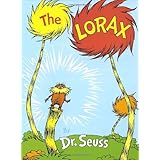 |
| This is a great book to reference when teaching text-to-world connections! A fun way to talk about taking care of the world we live in. |
 |
| Books like this about adding a sibling to the family are a great way to make connections with students that have younger siblings and sometimes feel left out. If you read a couple of books about the same thing you can turn this into a text-to-text connection as well. |
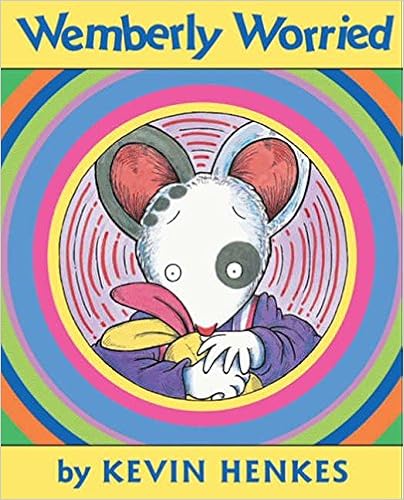 |
| A great book for 1st graders to use to start making connections with. Everyone worries and it is easy to get students to relate to this book by having each of them give an example of something they have worried about. A great way to practice text-to-self connections. |
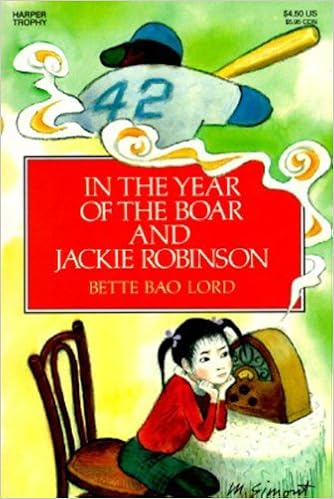 |
| This is a great book for 4-7th grade students to make three different kinds of connections (text-to-text, text-to-self, text-to-world) . In this book Jackie Robinson proves anyone can make a difference. |
 |
| This book for 6-8th grade can be used as a way to make a personal and/or cultural connections with students. See how she struggles to survive in her extended family and on her own. |
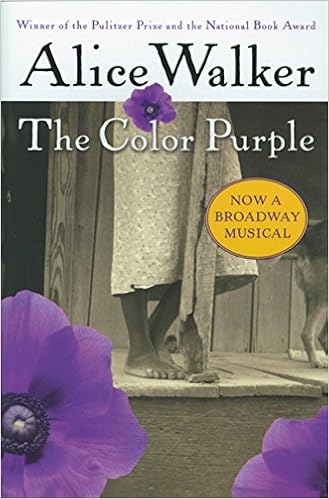 |
| This is a great book to use for 9-12 grade to make a connection with dialects and understanding through different dialects where the story is taking place and around what time it takes place.
Making connections with books are great ways to enhance a student's desire to read.
|
Wednesday, June 15, 2016
Top 10 books for Kindness
I would like to talk about some great books on kindness today. If you want to become a teacher you will need to know a few different ways to talk to your student's about kindness. It is definitely something worth spreading! :)
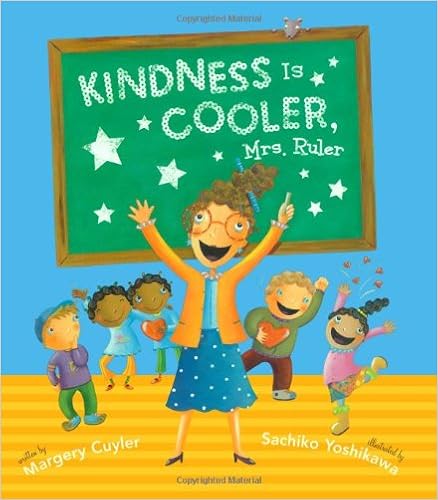
Great book for small children first learning about kindness and how they can put it into action.
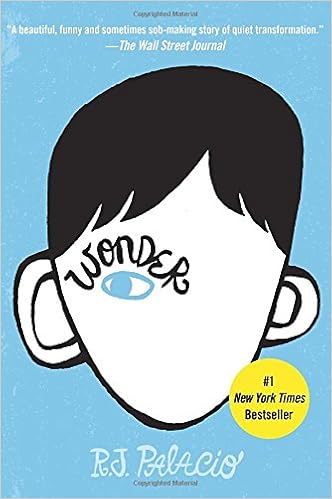
This book is a New York Times best seller! It also inspired the Choose Kind Movement. It's about a boy who has never been to mainstream school because of a facial deformity, it really teaches all about kindness.
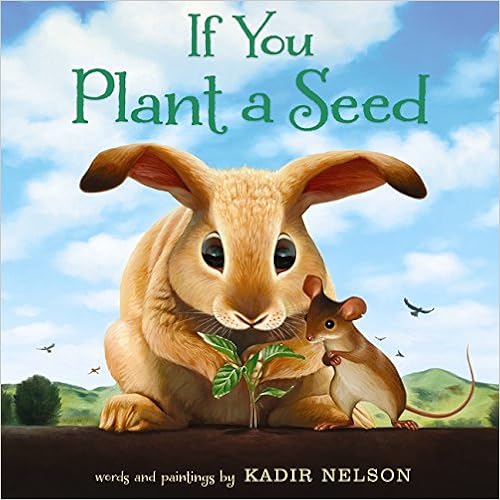
This book talks about how a tiny seed of kindness can grow into a sweet fruit. Great for younger children.
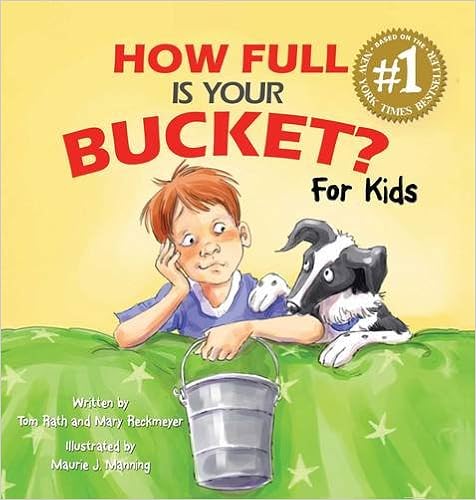
This book is a great reminder to young and old about how we all feel the "fuller" our bucket is. Kindness goes a long way.
Who doesn't enjoy Dr. Seuss?! A great story about one person doing everything they can to be kind and help out others.
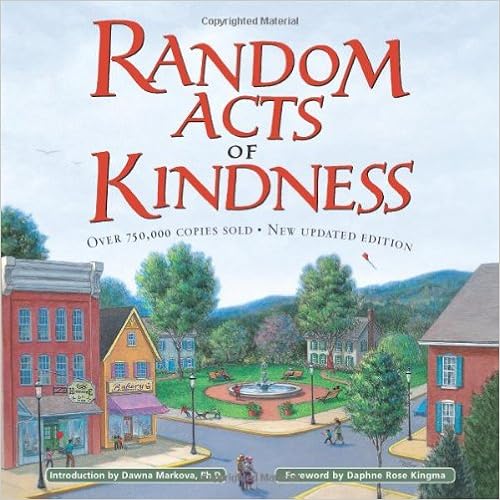
The cover says it all! Random Acts of Kindness is a great book that has true stories, quotations, and suggestions to inspire everyone.
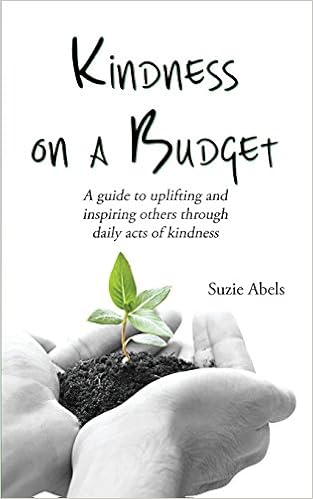
A great book for older students, the author shares her own personal stories on how easy it is to spread kindness each and everyday!
In this book, "The Invisible Boy" is the first person to make a new student feel welcome. Making someone feel included is a great way to show kindness!
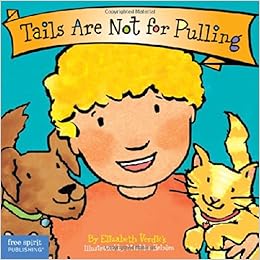
Kindness to animals is a great thing to learn as a small child as well, this book does a great job of teaching our little ones the do's and don'ts with animals.
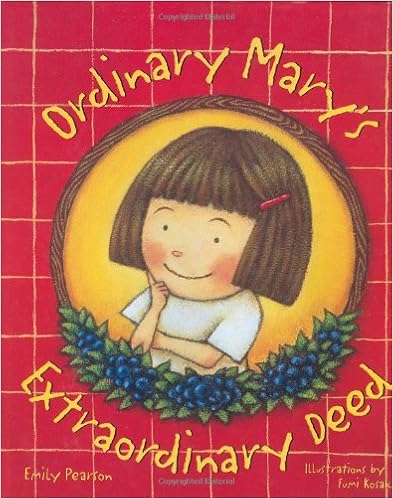
This is a great book on kindness! An "ordinary" girl gives her neighbor some blueberries and starts a chain reaction of kindness! One person really can make a difference.
There are so many more books I could post! What's your favorite?
 |
 |
 |
 |
 |
 |
 |
 |
 |
 |
There are so many more books I could post! What's your favorite?
Thursday, June 9, 2016
Word Walls
Learning about word walls was actually very fun tonight! I have mainly worked with middle school aged students for the last several years and in special education so I unfortunately do not have a lot of experience with word walls. In fact, the school I work at now does not use word walls at all to my knowledge. So how will I use them in the future in my classroom? That is a really hard question. My goal right now is to teach at the school I'm at now...so if I teach here...I probably will not use word walls. Hopefully I can figure out how to incorporate it into my curriculum when that day comes, but it is really hard to do when your main focus is on the student's behavior first and then their education.
A little background on where I currently work. I work at an alternative program for students that have mental, emotional, and behavioral problems. Yes, we get the kids that throw desks at teachers and cuss them out just because they feel like it, because they were "bored". Some of our students are actually so smart that they do get bored with the curriculum we have to offer them and some of them are so low on the scale that they do not understand what we are asking them to do. The commonality of our students is that they all have a behavior plan. There are some days where the behaviors they exhibit do not allow them to actually complete any of the work we assign them, but we strive to help them the best we can and teach them when it's possible.
We have a separate teacher that teaches Wilson's reading to our students, but I am not sure if they do any type of word wall with her either...our language arts class focuses on journaling and reading aloud to our students with an occasional worksheet on grammar. Our students hate it! Maybe I can try and incorporate some of the harder vocabulary words from the books we are reading into a word wall? If I have the students help me "design" for our book, then maybe they will be more apt to participate in recognizing new words they do not know.
Anyone have any suggestions?
A little background on where I currently work. I work at an alternative program for students that have mental, emotional, and behavioral problems. Yes, we get the kids that throw desks at teachers and cuss them out just because they feel like it, because they were "bored". Some of our students are actually so smart that they do get bored with the curriculum we have to offer them and some of them are so low on the scale that they do not understand what we are asking them to do. The commonality of our students is that they all have a behavior plan. There are some days where the behaviors they exhibit do not allow them to actually complete any of the work we assign them, but we strive to help them the best we can and teach them when it's possible.
We have a separate teacher that teaches Wilson's reading to our students, but I am not sure if they do any type of word wall with her either...our language arts class focuses on journaling and reading aloud to our students with an occasional worksheet on grammar. Our students hate it! Maybe I can try and incorporate some of the harder vocabulary words from the books we are reading into a word wall? If I have the students help me "design" for our book, then maybe they will be more apt to participate in recognizing new words they do not know.
Anyone have any suggestions?
Wednesday, June 1, 2016
Tonight I got to look up different ways to teach writing to students. I immediately had a ton of questions, but I just decided to type in how to teach writing to students. So many different options popped up from handwriting, to forming sentences, to writing essays. I couldn't believe how many different options there are out there, but I guess I have never really enjoyed language arts and so I never really thought about everything that goes into this one subject. It's a lot really. I'm actually really looking forward to discovering more about Language Arts, I'm going to be a Special Education teacher so I probably should know at least a little more on this subject.
Subscribe to:
Comments (Atom)